
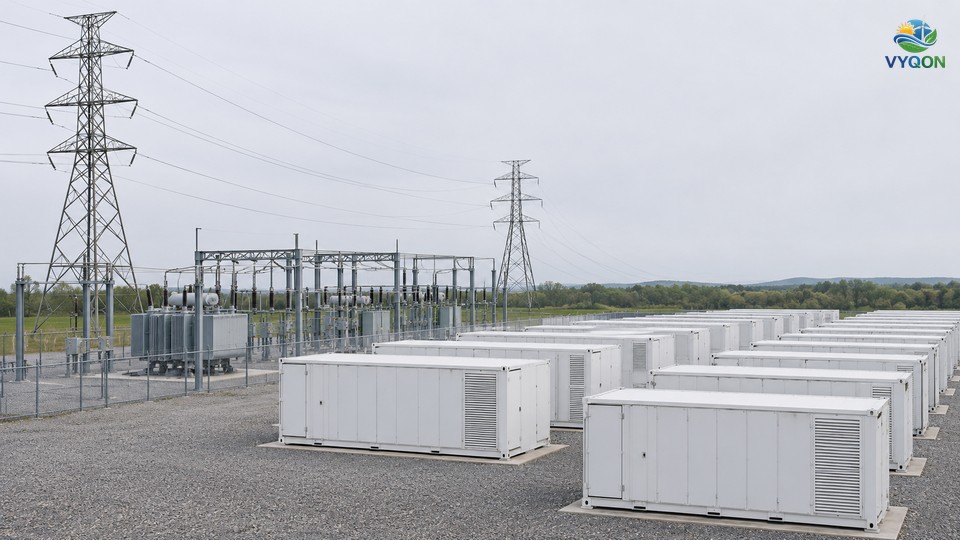
Late payment surcharge protection proposed for independent storage
The Ministry of Power has drafted an amendment to India’s Late Payment Surcharge (LPS) Rules that would extend payment protection to independent energy storage providers. The draft is titled the Electricity (Late Payment Surcharge and Related Matters) (Amendment) Rules, 2026. It would amend the 2022 Rules and was issued this week, with stakeholders invited to send comments. The draft has not yet been finalised or notified.
Who is covered today and who is not
Under the existing framework, energy storage owned by a power generator is already covered by the late payment surcharge rules, because storage that a generator owns is treated as part of that generator. Independent storage service providers, which sell storage capacity or stored power but are not owned by a generator, are not covered. If a power distribution company (discom) pays such a provider late, the provider has to rely only on the terms of its contract.
The draft proposes to close that gap. It would give independent storage providers the same late payment surcharge protection that is available to others, along with restrictions on discoms that keep defaulting on payments.
No new charge for discoms that pay on time
According to the reports on the draft, discoms that pay their bills on time would not be affected, and the amendment creates no new charge. The surcharge applies only when payment is late. The stated aim is to give storage developers and their lenders more certainty that they will be paid, which is expected to encourage investment and lower financing costs and, over time, the cost of storage.
Background: the 2022 Late Payment Surcharge Rules
The Ministry of Power issued the Electricity (Late Payment Surcharge and Related Matters) Rules in 2022 to address mounting dues of state power utilities, which had by then crossed Rs 1,50,000 crore, according to a Press Information Bureau release of 4 August 2022. The ministry said the aim was to strengthen the finances of electricity suppliers and bring financial discipline to the power sector.
As originally issued, the rules applied to the outstanding dues of generating companies, inter-state transmission licensees and electricity trading licensees. A distribution company could clear its total outstanding dues, including late payment surcharge, in a maximum of 48 equated monthly instalments. No additional surcharge was payable on outstanding dues if instalments were paid on time. The release described timely payment of dues as the core of the rules. REC and PFC, the state-run financing institutions in the power sector, were advised to support discoms in paying dues under the rules, and REC provided financial assistance of about Rs 22,000 crore on 3 August 2022 for distribution licensees in Jharkhand, Rajasthan, Chhattisgarh and Jammu & Kashmir.
What it means for India’s clean-energy sector
Standalone battery storage is expected to play a growing role as India adds more solar and wind capacity, because it can hold electricity when it is plentiful and supply it when it is needed. Developers of such projects depend on regular payments from discoms to repay loans. A clear legal remedy for late payment could make lenders more comfortable with projects where the storage provider is independent of any generator.
The draft is still at the consultation stage. The final wording, any changes after stakeholder comments and the date it comes into force are not yet known. VYQON could not open the draft itself on the ministry website at the time of writing, so this report is limited to the points that are consistent across several reports of it and to the official 2022 release.
Official references
- Ministry of Power, Press Information Bureau release “REC sanctions Rs 22,000 crore under new LPS Rules”, 4 August 2022: https://pib.gov.in/PressReleasePage.aspx?PRID=1848432
Leave a Comment