
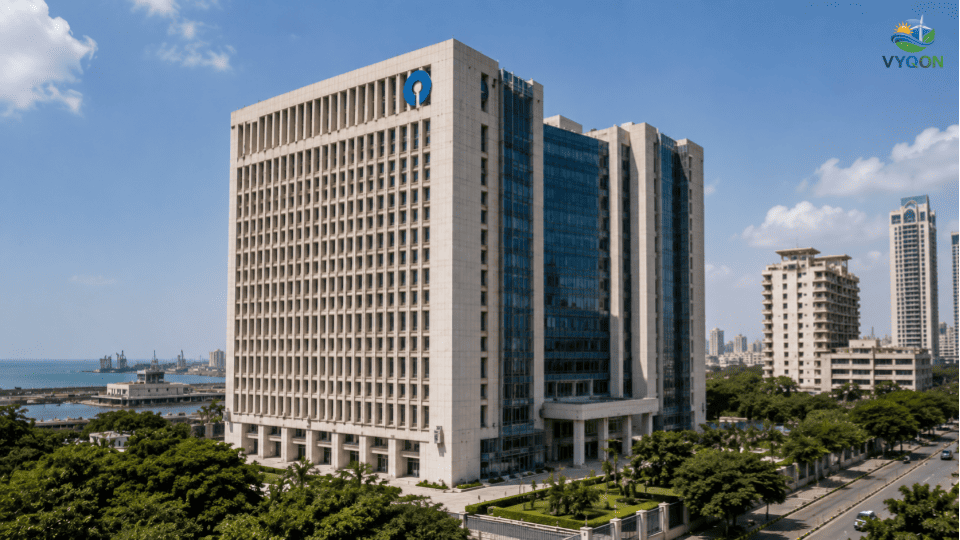
OVERVIEW OF THE SBI RESEARCH PROPOSAL
SBI Research released a report on July 7, 2026, calling for a comprehensive overhaul of the Priority Sector Lending (PSL) framework. Originally introduced in 1972 to facilitate credit flow to underserved segments, the current framework requires recalibration to align with the “Viksit Bharat 2047” vision.
The report highlights that while banks are currently meeting the mandated 40% overall PSL target, there has been a significant structural shift in lending methods. Operational data indicates a growing reliance on inorganic mechanisms rather than direct lending.
- Target Achievement: The overall PSL target achievement stands at 40%, with current performance estimated at 43.6% for FY25.
- PSLC Trading Volumes: Trading in Priority Sector Lending Certificates (PSLCs) has surged, rising from ₹1.8 lakh crore in FY18 to ₹12.2 lakh crore in FY25.
- Organic Lending Decline: When inorganic avenues such as PSLC purchases are excluded, organic PSL lending has declined to 34.4% of Adjusted Net Bank Credit (ANBC) in FY25.
KEY RENEWABLE ENERGY & GREEN FINANCE RECOMMENDATIONS
The report details specific quantitative revisions to support clean energy and climate objectives. These proposals seek to modernize the framework by introducing new categories and expanding eligibility for green instruments.
Proposed Green Finance Limit Revisions
| Category | Proposed Limit/Action |
| Renewable Energy Loan Cap | Increase from ₹35 crore to ₹100 crore per borrower. |
| Rooftop Solar | Increase household lending limit from ₹10 lakh to ₹2 crore. |
| Climate Sustainability Finance | Establish as a dedicated, separate PSL category. |
| Bond Eligibility | Inclusion of commercial bank investments in Green, ESG, and Sovereign Green bonds. |
| EV Ecosystem | Expansion of the 7.5% micro-enterprise sub-target to include MSMEs in EV and component manufacturing. |
INFRASTRUCTURE STATUS AND ANBC CALCULATIONS
SBI Research argues that the absence of a vibrant bond market necessitates greater policy support for bank-led infrastructure financing to meet 2047 development goals. The report presents two alternative technical proposals for the treatment of infrastructure loans:
- Granting full priority sector status to all infrastructure loans to encourage long-term capital formation.
- Excluding infrastructure lending from Adjusted Net Bank Credit (ANBC) calculations to reduce the total PSL burden on banks and reflect their contribution to national development.
The report also addresses reforms for the Rural Infrastructure Development Fund (RIDF). Proposed changes include granting risk-weight exemptions and capital treatment reforms for RIDF deposits. These measures are intended to rebalance bank incentives, as many currently find the purchase of PSLCs more beneficial than RIDF investments.
ADDITIONAL SECTORAL PSL CAP REVISIONS MENTIONED IN THE REPORT
To address evolving credit needs across the broader economy, the report suggests significant increases to existing per-borrower and project-specific limits:
- Housing Loans: Increase the eligibility ceiling to ₹1 crore for metropolitan centers and ₹75 lakh for other centers.
- Education Loans: Double the current ceiling from ₹25 lakh to ₹50 lakh.
- Social Infrastructure: Increase project caps to ₹15 crore for schools and ₹25 crore for healthcare facilities, with healthcare eligibility restricted to Tier II through Tier VI centers.
- Agri & Food Processing: Double limits to ₹200 crore per bank and ₹500 crore system-wide per borrower.
- NBFC On-lending: Enhance caps for bank loans to NBFCs for the purpose of on-lending to ₹25 lakh for agriculture and ₹50 lakh for other sectors.
Leave a Comment