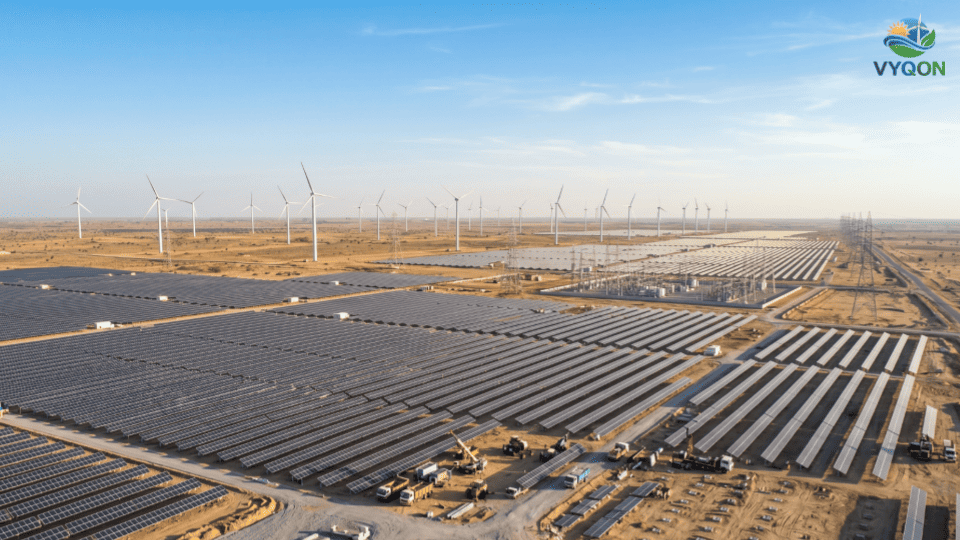
Shri Santosh Kumar Sarangi, IAS, Secretary, Ministry of New and Renewable Energy (MNRE), confirmed exemptions for solar and wind projects from environmental clearance requirements on February 27, 2026. The announcement occurred during the Sustainable Projects Developers Association (SPDA) Annual Meet in New Delhi. The measures aim to remove bottlenecks in administration and streamline the commissioning of infrastructure for renewable energy.
Specifics of the Exemption from EIA Notification 2026
Exemptions for the sector include:
- Integration of Consent to Establish (CTE) into the Environmental Clearance (EC) process.
- Removal of requirements for two sets of compliance.
- Classification of industries under the White Category.
- Elimination of requirements for Consent to Establish (CTE) or Consent to Operate (CTO) for White Category projects.
Scope of Projects and Authorities
The exemptions apply to projects based on criteria and capacity thresholds.
| Project Type | Criteria/Thresholds |
| Solar power generation | Photovoltaic cells |
| Wind power projects | Wind power |
| Hydel power projects | Capacity less than 25 MW |
| Manufacturing units | Solar modules and non-conventional energy apparatus |
| Manufacturing by assembly | Electric lamp (bulb) and CFL |
Government bodies involved include the Ministry of Environment, Forest and Climate Change (MoEFCC) and the Ministry of New and Renewable Energy (MNRE).
Context of Regulations: Previous Status vs. Exemption
The framework addresses demands from industry for a reduction in paperwork.
Previous Status Developers obtained Environmental Clearance (EC) from the ministry and Consent to Establish (CTE) from state authorities. This process resulted in delays and documentation.
New Exemption Amendments to the EIA Notification 2006 introduce a shift in process where State Pollution Control Boards participate in the EC process. A Standard Operating Procedure (SOP) incorporates CTE considerations into the EC to prevent duplication of approvals. Project proponents must pay the CTE fee to states to prevent losses of revenue.
Alignment and Infrastructure Impact
The exemptions support the target of 500 GW of capacity from non-fossil fuel. Sarangi stated that sustaining growth above 7.5% for the vision of 2047 requires expansion in manufacturing and sectors such as AI, data centers, and IoT.
Observations from MNRE include:
- Hybrid and Storage Integration: Tenders from the Solar Energy Corporation of India (SECI) indicate a shift toward projects with hybrid and storage integration to align generation with demand curves.
- Transmission Planning: Planning for transmission is a requirement because capacity remains in states while load centers are at distances.
- Electricity-as-a-Service (EaaS): DISCOMs must transition to an EaaS model using twin technologies, satellite mapping, and asset monitoring to improve efficiency and optimization.
- Ease of Doing Business: The Electricity (Amendment) Rules 2026 and the EIA framework serve as components of the initiative for Ease of Doing Business.
Leave a Comment