
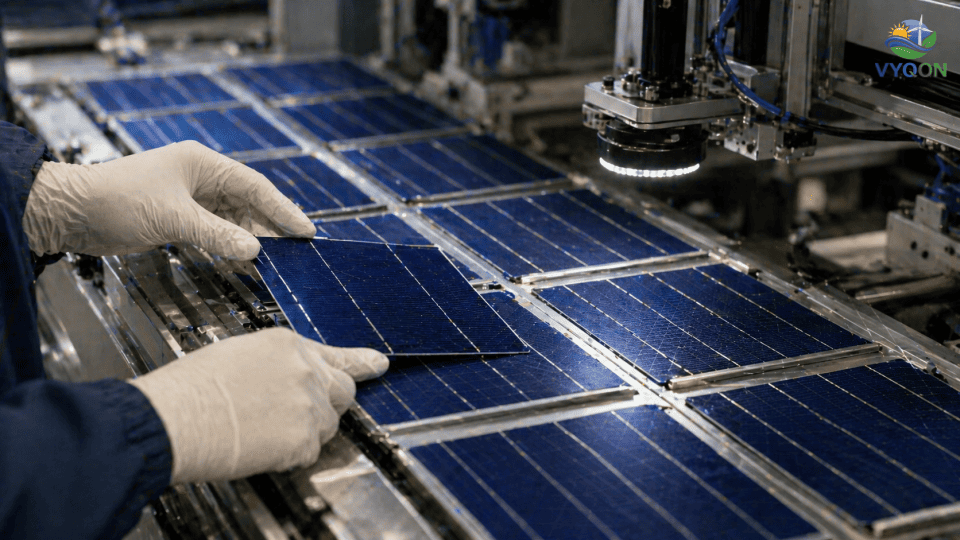
In a pivotal fiscal unlock dubbed as the “Next Gen GST 2.0” reforms, the GST Council has recommended a sweeping rationalization of tax structures for the renewable energy sector. Most notably, the Council has moved to reduce the GST rate on solar PV modules, wind turbine generators, and the parts required for their manufacture from 12% to 5%. Scheduled for implementation on September 22, 2025—preponed to coincide with the high-consumption festive season—this policy shift represents a major strategic effort to lower the capital intensity of India’s green energy transition and reinvigorate domestic demand through substantial cost offsets.
Specifics of the GST Rate Change
This rationalization effectively merges the previous 12% slab into the 5% category for a broad range of clean energy technologies. According to ICRA’s macroeconomic assessment, this movement reflects a significant shift in the “median tax rate” for the 391 items affected by the overall reforms, aimed at simplifying compliance and stimulating sectoral throughput.
Tax Rate Transition for Renewable Energy
| Item Category | Previous Rate | New Rate |
| Renewable energy devices (Solar PV modules, wind turbine generators) and parts for their manufacture | 12% | 5% |
Note: This transition reflects the merging of the 12% tax slab into the 5% slab as part of broader “Next Gen” fiscal streamlining.
Impact on Project Capital Expenditure (CAPEX) and Generation Costs
The rate reduction is expected to drive immediate margin expansion for renewable energy developers. By lowering the tax incidence on critical hardware, the overall capital expenditure (CAPEX) for solar and wind projects is projected to decrease by approximately 5%. For investors and stakeholders, this reduction is a vital lever for improving project Internal Rates of Return (IRRs), particularly for under-implementation projects where procurement is still active.
The projected downward pressure on generation costs is summarized below:
- Solar Power Projects: Estimated reduction of ~10 paise per unit.
- Wind Power Projects: Estimated reduction of ~15-17 paise per unit.
These savings are anticipated to provide project developers with more aggressive room in upcoming competitive bidding rounds, likely leading to lower power purchase agreement (PPA) tariffs in the next fiscal cycle.
Domestic Manufacturing and Strategic Implications
A critical component of this reform is the inclusion of “parts for their manufacture” within the 5% bracket. This technical adjustment is designed to correct the historical cost disadvantages associated with inverted duty structures and the accumulation of stranded taxes within the supply chain. By aligning the tax on components with final products, the government is bolstering the cost competitiveness of the “Make in India” initiative for renewable energy.
Industry data suggests that this reduction will support higher throughput at local facilities. By easing the fiscal burden on essential inputs, domestic manufacturers are better positioned to scale operations and compete against imported technology, effectively accelerating the localization of the renewable energy supply chain.
Broader Power Sector Context: Coal and Discom Impacts
The GST rationalization extends its multiplier effect into the thermal power sector, which remains the backbone of the grid. In a complex maneuver, the GST Council has discontinued the Compensation Cess of Rs. 400 per tonne on coal, merging the tax incidence into a new 18% GST slab. This restructuring is a macro-level event for the industry, given that coal-based capacity still accounts for approximately 70% of India’s total power generation.
The resulting efficiencies for utilities include:
- Generation Efficiency: A reduction in coal-based power generation costs by approximately 15 paise per unit.
- Discom Supply Costs: A projected reduction in the cost of supply for distribution companies (discoms) by approximately 12 paise per unit.
While this reform significantly lowers power purchase costs for discoms—potentially aiding their financial turnaround—the extent of the “pass-through” to end-consumers will ultimately be determined by state-level regulatory commissions.
Macroeconomic Outlook and Implementation Timeline
The broader “Next Gen GST 2.0” package, affecting 391 items, carries significant fiscal implications. Government of India (GoI) estimates previously pegged the weighted average GST rate at 11.64% in 2023-24; following this rejig, the rate is expected to drop into single digits (below 10%).
The first-round revenue foregone is estimated by ICRA to be Rs. 142 billion for the Centre and Rs. 338 billion for the States in H2 FY2026. Despite these fiscal costs, the move is expected to act as a stimulus for Private Final Consumption Expenditure (PFCE), which contributes approximately 57% to India’s GDP growth.
Reflecting the anticipated boost to consumption and investment, ICRA has revised its GDP growth forecast for FY2026 upward to 6.5%, from an earlier estimate of 6.0%. This revision highlights the expected multiplier effect of the September 22, 2025 implementation, which is strategically timed to maximize household spending and support private sector capex in consumption-oriented and energy-critical sectors.
Leave a Comment