
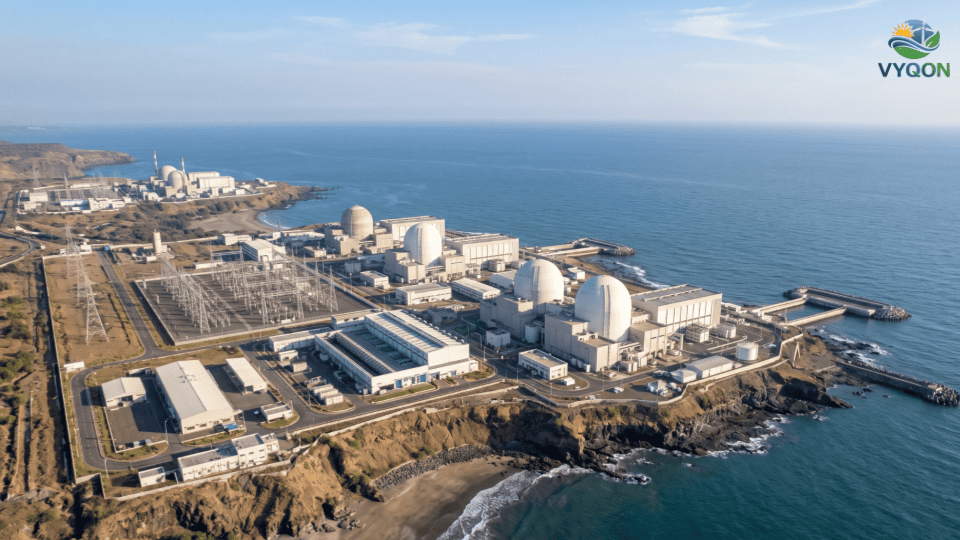
Adani Power Limited (APL) has formalised its entry into the nuclear sector with the incorporation of two step-down subsidiaries, Coastal-Maha Atomic Energy Limited (CMAEL) and Rawatbhata-Raj Atomic Energy Limited (RRAEL). These entities were incorporated on April 13 and April 20, 2026, respectively, under the parent entity Adani Atomic Energy Limited (AAEL). The corporate actions follow the recent passage of the Atomic Energy Bill 2025, which opens the civil nuclear sector to private participation.
Corporate Structure and Multi-Entity Strategy
The incorporation of these companies follows a tiered ownership structure designed to manage nuclear energy verticals. Adani Power Limited maintains 100% shareholding at every level of the hierarchy:
- Adani Power Limited: The ultimate parent entity and listed corporate body.
- Adani Atomic Energy Limited (AAEL): A wholly owned subsidiary of APL, incorporated on February 11, 2026, to serve as the holding company for the group’s nuclear interests.
- Step-Down Subsidiaries:
- Coastal-Maha Atomic Energy Limited (CMAEL): 100% owned by AAEL.
- Rawatbhata-Raj Atomic Energy Limited (RRAEL): 100% owned by AAEL.
This structure is intended to support regional nuclear energy projects. The multi-entity approach allows the group to localize projects while maintaining centralized strategic and operational control.
Operational Objectives and Financial Foundation
CMAEL and RRAEL are mandated to operate within the atomic energy sector. Their business objectives include the generation, transmission, and distribution of power derived from nuclear sources.
The initial financial setup for both subsidiaries indicates an early-stage vertical. Both entities share an identical capital structure, as detailed below:
| Particulars | Value |
| Authorized Capital | ₹5,00,000 |
| Share Volume | 50,000 equity shares |
| Face Value | ₹10 per share |
| Consideration Type | Cash |
The subscription to these shares was made entirely through cash by the parent entity, AAEL.
Regulatory Backdrop: Policy Shifts and the BSR Initiative
These corporate actions coincide with the “Bharat Small Reactors” (BSR) initiative. BSRs are 220 MW Pressurized Heavy Water Reactors (PHWRs) based on indigenous technology. Under the public-private partnership model, the Nuclear Power Corporation of India Limited (NPCIL) retains asset ownership and operational control, while private entities provide land, cooling water, and capital.
Adani Power is one of six private firms responding to the NPCIL’s Request for Proposals (RFP) for the deployment of these reactors. Other companies include Reliance Industries, Tata Power, Jindal Steel and Power, Hindalco Industries, and JSW Energy. While the initial deadline for submissions was September 30, the NPCIL extended the deadline to March 31, 2026, to accommodate industry requests.
This activity aligns with the Government of India’s objective, outlined in the Union Budget 2025-26, to reach 100 GW of nuclear capacity by 2047. The budget also allocated ₹20,000 crore for the Research and Development of Small Modular Reactors (SMRs).
Strategic Integration: Baseload Power for Digital Infrastructure
The establishment of these subsidiaries supports the power requirements of the Adani Group’s digital infrastructure. The group is developing artificial intelligence (AI) data centers in Visakhapatnam, Navi Mumbai, Noida, and Hyderabad, including a project in Visakhapatnam in partnership with Google.
The combined power demand for these facilities is projected to exceed 1 GW. AI data centers require 24×7 continuous “baseload” power, which nuclear energy provides. This technology is being evaluated as a supplement to the existing renewable energy portfolio of Adani Green Energy to address the intermittency of wind and solar sources. This integration is designed to meet decarbonization goals while ensuring the continuous electricity supply required for compute-intensive operations.
Leave a Comment