
Project Identification and Key Stakeholders
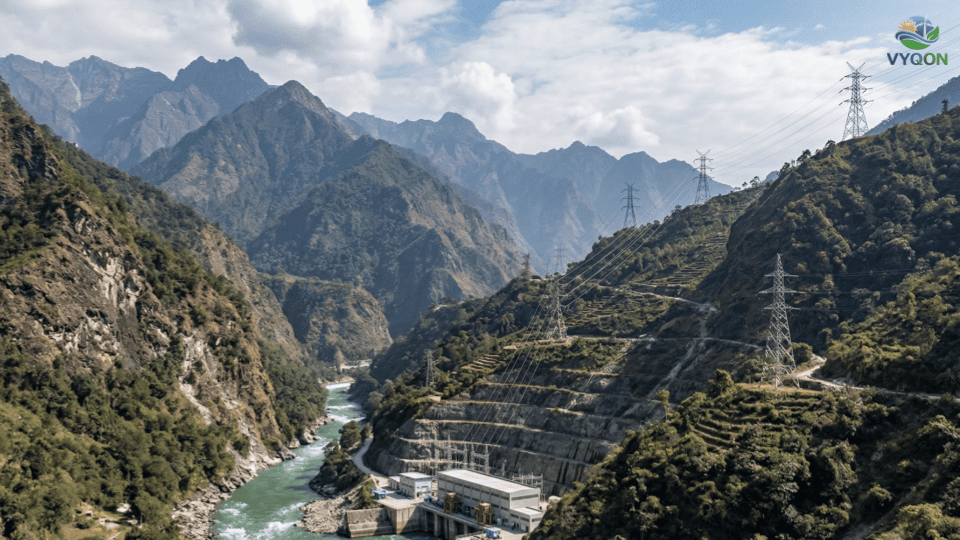
The Arun-3 Hydroelectric Project (HEP) is a 900 MW power generation facility located on the Arun River in eastern Nepal. The project is developed by SJVN Arun-3 Power Development Company Private Limited (SAPDC), a subsidiary of SJVN Limited, which is headquartered in Shimla, Himachal Pradesh. The project is governed by a Project Development Agreement (PDA) signed on November 25, 2014, between SAPDC and the Government of Nepal, represented by the Investment Board of Nepal (IBN).
The Power Grid Corporation of India (POWERGRID), acting as India’s central transmission utility, is responsible for the commissioning and operation of the transmission infrastructure associated with this project. Specifically, the scope covers the “Indian Portion” of the system designed to evacuate power from the Nepal-based facility to the Indian grid. The commercial framework follows a Build, Own, Operate, and Transfer (BOOT) model, which defines the long-term ownership and eventual transfer of the assets to the host government after the concession period.
Regulatory Timeline and Compliance Filings
The transmission system for the Indian portion of the Arun-3 HEP was commissioned and became operational on September 3, 2023. Although operational in 2023, formal regulatory disclosures were issued on March 27, 2026, following the issuance of CERC Order 210/TT/2024 on March 10, 2026. This order provided the necessary regulatory authorization for the transmission system’s inclusion in the tariff framework.
The project adheres to several key regulatory standards:
- Regulation 5(2) of the CERC (Terms and Conditions of Tariff) Regulations, 2019: Provides the basis for the operational terms and tariff determination of the transmission system.
- Regulation 30 of the SEBI (Listing Obligations and Disclosure Requirements) Regulations, 2015: Mandates the disclosure of the project’s commissioning status to market participants and stakeholders.
Technical Infrastructure Specifications
The transmission system utilizes 400 kV Double Circuit (D/C) technology to support high-capacity power transfer. A critical technical development for this project was the procurement of conductors from Litmus Industries, a Nepal-based entity. Following a comprehensive POWERGRID inspection of production processes, manufacturing capacity, and quality control systems, Litmus Industries was approved as the sole Nepali manufacturer for the project. This marks the first instance of 400 kV ACSR Moose Conductors being manufactured within Nepal.
The technical specifications of the Indian portion of the infrastructure are detailed below:
| Component | Specification |
| System Voltage | 400 kV |
| Circuit Configuration | Double Circuit (D/C) |
| Conductor Type | ACSR Moose Conductors |
| Total Conductor Quantity | 2,799 Kilometers (Indian Portion) |
| Transmission Corridor | Diding-Dhalkebar to Bathnaha |
| Manufacturer | Litmus Industries (Nepal) |
| Operational Status | Commissioned September 3, 2023 |
Strategic Function and Grid Impact
The primary function of the transmission system is the evacuation of 900 MW of hydroelectric power from eastern Nepal into the regional Indian power architecture. This link is established via the Diding-Dhalkebar to Bathnaha corridor, facilitating cross-border energy transfer.
The integration of this hydroelectric power provides a consistent energy source for the Northern Indian grid, supporting load-balancing requirements and contributing to grid stability. From a regional perspective, the infrastructure enhances cross-border connectivity and establishes a functional pathway for international renewable energy integration. The project fulfills the technical requirements for regional energy security by diversifying power sources and utilizing high-voltage transmission to minimize losses across international borders.
Leave a Comment