
NEW DELHI — India reached a record peak power demand of 256 GW in April 2026, necessitating immediate regulatory intervention by the Ministry of Power (MoP). To maintain grid stability and address the widening demand-supply gap, the MoP invoked Section 11 of the Electricity Act, 2003, an emergency provision used to override standard commercial considerations and mandate that all power plants—particularly those utilizing imported coal—maximize their generation output.
Electricity Demand and Consumption Metrics
National electricity consumption grew by approximately 8.9% during April 2026, supported by the peak demand figure of 256 GW. According to technical scoping notes from the Ministry of Power and reporting from Mercom India, this surge was primarily driven by intense heatwaves across the subcontinent. These weather conditions resulted in a significant increase in peak-coincident demand for space cooling, which now accounts for approximately 26% of the national peak load during summer months.
Technical analysis indicates that demand was further exacerbated by a domestic LPG shortage, which accelerated the electrification of kitchens. This transition from gas to electric cooking contributed to a low diversity factor, as residential loads coincided with industrial and cooling requirements. In regional metrics, Delhi’s power demand reached a record 8,656 MW, illustrating the intensity of urban heat island effects where high nighttime temperatures prevent infrastructure cooling.
Coal Production Performance
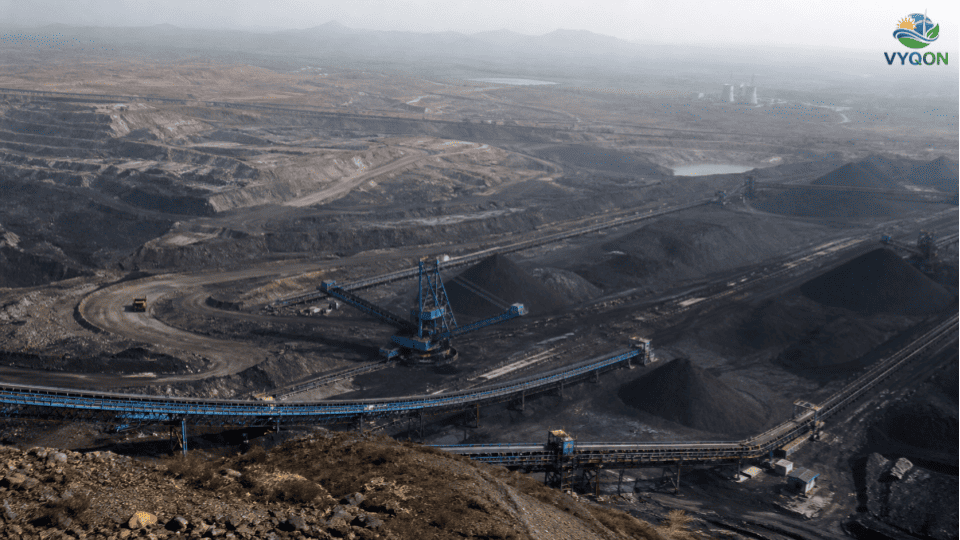
Data released by Coal India Ltd (CIL) indicates a production shortfall that occurred simultaneously with the highest demand period of the month. This decline in output created a logistical pincer effect, stressing national fuel reserves during the peak heatwave-driven load. The April 2026 production metrics for CIL are as follows:
- Target Output: 65 MT
- Actual Output: 58.7 MT
- Percentage Decline: 9.7%
Regulatory Interventions and Directives
To mitigate the impact of the production shortfall and the 8.9% consumption growth, the Ministry of Power (MoP) utilized legal mechanisms to ensure generation availability. The invocation of Section 11 of the Electricity Act, 2003, served as a directive for imported coal-based (ICB) power plants to operate at full capacity.
The MoP further issued a mandate requiring all thermal power plants to maximize their generation. These administrative actions were implemented to counteract thermal derating—the loss of plant efficiency due to high ambient temperatures—and to ensure the national grid remained synchronized despite the demand-supply friction.
Sector Context and Logistics
The Indian power sector currently relies on imported coal to meet approximately 20-25% of its total demand. The MoP distinguishes between the use of coal for Imported Coal-Based (ICB) plants, which are specifically designed for high-GCV fuel, and the blending requirements for Domestic Coal-Based (DCB) plants to meet production deficits.
Operational logistics were challenged by the physical impact of extreme heat on transmission and distribution (T&D) infrastructure. Data from Grid India and sectoral scoping notes detail several technical constraints:
- Transmission Transfer Capability (TTC): Grid India was required to adjust TTC in real-time based on temperature data to prevent system faults.
- Transformer Efficiency: High ambient temperatures significantly reduced the cooling efficiency of oil-filled distribution transformers (DTs), a leading cause of DT failure and fires during the April peak.
- Infrastructure Stress: Increased ambient heat led to technical “sagging” of overhead lines and increased hotspots at distribution joints.
- Environmental Hazards: Forest fires exacerbated by the heatwave caused physical damage to transmission infrastructure, necessitating higher maintenance oversight and real-time system monitoring to prevent loss of load.
Leave a Comment