
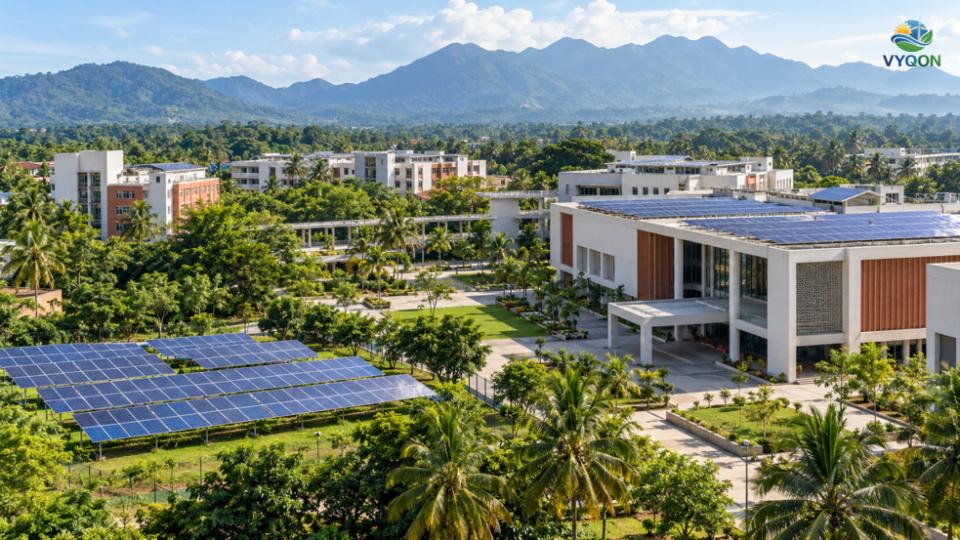
The Solar Energy Corporation of India has invited prospective bidders to inspect the proposed solar-plus-storage project site at Phyang, Leh, on 27 October 2026, ahead of an upcoming engineering, procurement and construction tender.
The Solar Energy Corporation of India Limited (SECI) has announced a site visit for prospective bidders interested in an upcoming tender for the development of a 1 GW AC solar photovoltaic power plant integrated with a 1 GW/4 GWh Battery Energy Storage System (BESS) at Phyang in Leh, Ladakh. The proposed development represents a significant renewable energy infrastructure opportunity, combining large-scale solar generation with battery storage in one of India’s most challenging high-altitude environments.
According to SECI’s notice dated 19 October 2026, the site visit is scheduled for 27 October 2026, with interested organisations required to register by 6:00 PM on 26 October 2026. A maximum of two representatives from each organisation may participate. SECI has also recommended that participants arrive in Leh at least 24 hours before the scheduled visit to allow adequate time for acclimatisation to the region’s high-altitude conditions.
The announcement concerns a forthcoming Engineering, Procurement and Construction (EPC) tender covering the proposed solar photovoltaic and battery storage facilities. The anticipated scope includes design, engineering, equipment supply, construction, erection, testing, commissioning, and operation and maintenance. However, the site-visit notification precedes the detailed tender and does not represent a contract award, construction commencement or commercial commissioning.
Proposed Solar and Battery Storage Capacity
The proposed development combines 1,000 MW of solar photovoltaic generating capacity with a battery storage system rated at 1,000 MW of power and 4,000 MWh of energy capacity. This configuration would allow solar electricity generation to be integrated with substantial energy storage infrastructure, potentially supporting more flexible electricity delivery and improved management of renewable energy output.
The battery system’s power and energy ratings serve different purposes. The 1,000 MW rating represents its nominal maximum discharge power, while the 4,000 MWh rating indicates the total nominal energy storage capacity. At full rated output, the proposed battery could theoretically supply 1,000 MW for approximately four hours, before accounting for conversion losses, usable capacity limitations, operational reserves and other technical considerations.
Integrating battery storage with solar generation can help address the variability associated with photovoltaic electricity production. Solar plants generate electricity according to available sunlight, while consumer demand and grid requirements may extend beyond periods of strong solar irradiation. Battery systems can store electricity generated during suitable conditions and discharge it later, depending on the final operating strategy and contractual requirements.
However, the proposed storage configuration should not be interpreted as a commitment to continuous round-the-clock electricity supply. Actual electricity delivery will depend on solar generation, battery charging arrangements, system efficiency and the performance obligations established under the future EPC tender.
High-Altitude Engineering and Project Development
The proposed location at Phyang introduces technical and logistical considerations that distinguish the development from many conventional utility-scale solar projects. Ladakh’s high-altitude environment is characterised by cold temperatures, seasonal snowfall, strong solar irradiation and potentially challenging transportation conditions. These factors may influence photovoltaic performance, construction schedules, equipment selection and long-term maintenance requirements.
Solar photovoltaic modules can benefit from relatively low operating temperatures, which may reduce temperature-related efficiency losses under suitable conditions. Nevertheless, snow accumulation, icing, wind loading and seasonal weather variations can affect electricity generation and equipment availability. Appropriate mounting structures, foundation design, electrical protection and maintenance accessibility would therefore be important considerations during detailed engineering.
Battery energy storage facilities introduce additional requirements involving temperature regulation, electrical safety, thermal management, ventilation and fire protection. Battery performance can be affected by extreme environmental conditions, making suitable equipment selection and system-level protection essential for reliable operation.
Construction and logistics would also require careful planning. Transporting large quantities of solar modules, inverters, battery containers, transformers and associated electrical equipment to a high-altitude project location may involve additional scheduling and infrastructure challenges. Contractors would need to evaluate site accessibility, material handling, storage arrangements and workforce deployment.
These considerations represent general engineering requirements relevant to projects in such environments. The final technical specifications, design standards and equipment configurations for the Phyang development will be established through the detailed procurement and engineering process.
Site Visit and Upcoming EPC Procurement
The scheduled site visit provides prospective bidders with an opportunity to understand the proposed project location before the formal tender process advances. Site inspections can help engineering companies, EPC contractors and equipment suppliers evaluate ground conditions, infrastructure accessibility, construction logistics and potential technical challenges.
For a project combining 1 GW of solar generation with a substantial battery storage facility, understanding site-specific conditions is particularly important. Land characteristics, access roads, electrical infrastructure requirements, transportation routes and construction arrangements can influence engineering decisions, project costs and implementation schedules.
SECI’s proposed procurement scope covers multiple project-development activities, potentially creating opportunities for photovoltaic module manufacturers, inverter suppliers, battery system integrators, power conversion equipment manufacturers, electrical contractors and technical service providers.
The forthcoming tender documentation is expected to establish the detailed technical specifications, eligibility requirements, contractual obligations, procurement timelines and performance standards applicable to the project. Prospective bidders will need to assess these conditions carefully before preparing their technical and commercial proposals.
The October announcement does not establish the final bid submission deadline, contract value, selected contractor or commissioning schedule. These details will become clearer as SECI advances the procurement process and releases the necessary documentation.
Grid Integration and Operational Considerations
Integrating large-scale photovoltaic generation with battery energy storage requires coordinated electrical infrastructure and control systems. Solar modules produce direct-current electricity, which must be converted into alternating current through inverters, while battery systems require suitable power conversion equipment to manage charging and discharging operations.
An integrated energy management system can coordinate solar generation, battery operation and electricity delivery according to the applicable grid and contractual requirements. Such systems may improve renewable energy scheduling, help manage short-term generation variations and support more predictable power delivery.
The proposed Phyang installation would also require appropriate electrical protection, metering, monitoring and communication arrangements. Detailed grid connection requirements and the project’s commercial electricity delivery framework have not yet been established in the preliminary announcement.
Future tender specifications will be important for determining battery performance parameters, including usable storage capacity, round-trip efficiency, operating limits, availability requirements and long-term degradation allowances. Similarly, the expected performance of the solar photovoltaic plant will depend on solar irradiation, equipment efficiency, environmental conditions and system design.
These technical factors will influence the commercial feasibility and operational performance of the proposed development. Their final requirements will depend on the detailed procurement documentation and subsequent project engineering.
Significance for India’s Renewable Energy Sector
SECI’s announcement highlights the growing importance of renewable energy projects that integrate generation and storage within a common infrastructure framework. As India expands its solar capacity, energy storage is becoming increasingly relevant for managing variable renewable output and improving electricity supply flexibility.
The proposed Phyang project is significant not only because of its announced capacity but also because of its high-altitude location. Developing integrated renewable energy infrastructure in challenging environments requires suitable technology, careful engineering and effective coordination between equipment suppliers, project developers and construction contractors.
The forthcoming procurement could provide opportunities for India’s solar EPC industry, battery storage manufacturers, power electronics suppliers and renewable energy engineering service providers. It may also contribute valuable experience in designing and implementing integrated renewable energy systems under demanding environmental conditions.
The immediate development milestone is the scheduled 27 October 2026 site visit, followed by the publication of the detailed EPC tender and subsequent procurement activities. Project construction, grid integration and eventual commercial commissioning will depend on successful completion of the relevant development stages.
The announcement represents an early step towards a potentially substantial solar-plus-storage installation in Ladakh. Its long-term contribution to India’s renewable energy infrastructure will depend on technical feasibility, competitive procurement, reliable project execution and successful commercial operation.
Official Source
Solar Energy Corporation of India Limited (SECI)
Site visit announcement for the proposed 1 GW AC Solar PV Power Plant with 1 GW/4 GWh BESS at Phyang, Leh.
Official publication: 19 October 2026
Leave a Comment