
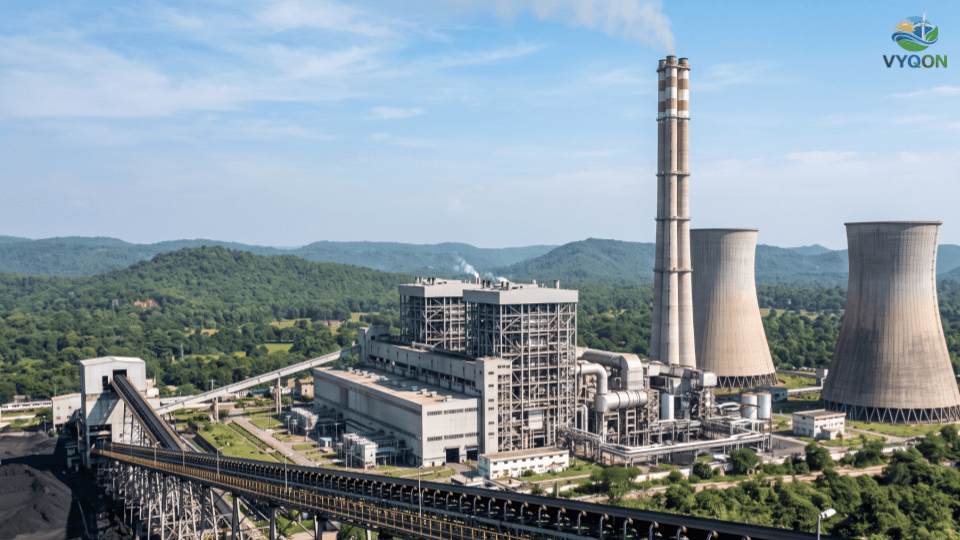
NTPC Limited has declared the commencement of commercial operations for Unit-2 of the Patratu Super Thermal Power Project (STPP) Phase-I. This 800 MW capacity addition became effective at 00:00 hours on June 25, 2026. Located at Patratu in the Ramgarh district of Jharkhand, the project is operated by the subsidiary Patratu Vidyut Utpadan Nigam Limited (PVUNL). Following the commissioning of the first unit in November 2025, this latest addition brings PVUNL’s total operational commercial capacity to 1,600 MW.
Project Structure and Partnership Details
The Patratu STPP is managed through PVUNL, a Joint Venture (JV) between NTPC Limited, which holds a 74% stake, and Jharkhand Bijli Vitran Nigam Limited (JBVNL), which holds the remaining 26% stake. The project is being developed in two distinct stages to reach an ultimate capacity goal of 4,000 MW:
- Phase-I: Consists of three units of 800 MW each, totaling 2,400 MW. This phase utilizes approximately 1,234 acres of land available from the existing Patratu Thermal Power Station site.
- Phase-II: Planned to include two additional 800 MW units (1,600 MW), bringing the total site utilization to 1,859 acres for the ultimate 4,000 MW configuration.
Technical and Environmental Specifications
The project is designed to function as a base-load station, utilizing supercritical technology to enhance thermodynamic efficiency. This technological framework allows for a significant reduction in the carbon footprint compared to older subcritical power plants. Key technical and environmental features include:
- Cooling Systems: The use of air-cooled condensers significantly reduces consumptive water requirements.
- Ash Management: The plant incorporates a 100% dry ash handling system to mitigate environmental impact.
- Resource Supply Chain: Fuel is sourced from the Banahardi coal block in the Latehar district, while water requirements are met by the Patratu dam/reservoir.
NTPC Group Capacity Milestones
The declaration of commercial operation for Unit-2 marks a significant step in the NTPC Group’s long-term generation strategy. Following this addition, the group’s capacity metrics have reached the following levels:
- Total Installed Capacity: 90,857 MW.
- Total Commercial Capacity: 89,777 MW.
These figures support NTPC’s stated objective of achieving a total installed capacity of 130 GW to 149 GW by 2032.
Regional Power Impact and Jharkhand Allocation
In accordance with the JV agreement, the state of Jharkhand is allocated 85% of the power generated by the plant. With Unit-1 and Unit-2 now in commercial operation, the state receives a total of 1,360 MW (680 MW per unit) from the project.
This capacity has shifted Jharkhand into a power-surplus position, representing a major step toward energy independence. Data from the state Energy Department indicates an average demand of approximately 3,000 MW, while total availability has reached roughly 3,885 MW. This creates a surplus of approximately 600 MW over current requirements, excluding distribution losses. This surplus provides the state with revenue generation opportunities through the sale of power during non-peak hours.
Functional Significance
The transition of Unit-2 to commercial status facilitates regional grid stabilization and ensures a consistent electricity supply for industrial sectors and districts across Jharkhand. By increasing local generation capacity, the state reduces its structural reliance on external power purchases and establishes a reliable base-load supply for the regional power grid.
Leave a Comment