
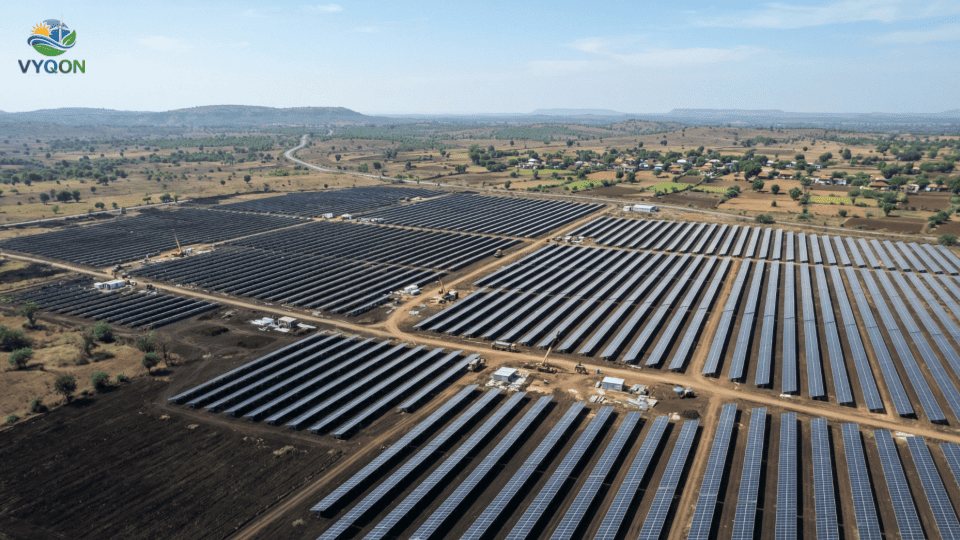
The Solar Energy Corporation of India (SECI) has initiated a formal Request for Proposal (RFP) to secure a term loan of ₹660 crore, earmarked for the development of its 200 MW Dhar Solar PV project in Madhya Pradesh. The nodal agency is soliciting bids from scheduled commercial banks and financial institutions, with a definitive submission deadline set for April 24, 2026.
Project Context and Strategic Scale
The 200 MW Dhar installation is a flagship project under the CPSU Scheme Phase-II, representing a critical component of SECI’s broader 1,200 MW development pipeline. This allocation includes strategic sister projects located in Ramagiri, Andhra Pradesh, and Radhanesda, Gujarat, underlining the scale of the corporation’s current utility-scale solar expansion. The Dhar project received formal investment sanction from the SECI Board during its 99th meeting in October 2025.
Capital Structure and Debt Servicing Profile
The financial architecture of the Dhar project is designed to optimize capital costs through a mix of central subsidies and institutional debt. The project’s funding breakdown is structured as follows:
- Estimated Project Cost: ₹944.78 crore.
- VGF/Subsidy Support: ₹129.44 crore allocated by the Ministry of New and Renewable Energy (MNRE) via Viability Gap Funding and solar subsidies.
- Net Project Cost: ₹815.34 crore.
- Debt-Equity Ratio: Targeted at 80:20, with contractual flexibility to adjust to 70:30 based on final syndication.
- Equity Funding: SECI will meet the 20% equity requirement through internal accruals.
- Debt Component: Approximately ₹652.27 crore is expected to be drawn against the ₹660 crore ceiling established in the RFP.
The proposed facility is characterized by a long-term debt-servicing profile tailored to the project’s cash flow:
- Total Tenor: 20 years.
- Moratorium Period: 2 years.
- Repayment Schedule: An 18-year repayment window featuring half-yearly principal installments and monthly interest obligations.
- Interest Rate Reset: A minimum reset period of six months is mandatory.
Bidding Requirements and Evaluation Framework
To ensure institutional stability, SECI has set a minimum lending threshold of ₹150 crore per bidder, with additional commitments required in multiples of ₹10 crore.
The evaluation of proposals will be strictly based on the least overall cost of borrowing. A critical instructional requirement for bidders is the separate specification of the Benchmark Rate and the Spread. SECI will not evaluate consolidated interest rates; the spread over the chosen benchmark must be clearly decoupled in the financial proposal to ensure transparency in the borrowing cost structure.
Project Site and Evacuation Infrastructure
The project’s physical footprint is secured by a significant land bank of approximately 460 hectares across the villages of Gadi, Rajod, and Nawapada in Dhar district.
A vital de-risking factor for the proposed loan is the advanced status of the evacuation infrastructure. SECI has secured in-principle grid connectivity at the 220 kV level from the MPPTCL Badnawar substation. On the execution front, SECI has already engaged FS India Solar Ventures and Amar Infrastructure Ltd as the primary EPC and supply-side partners for solar modules and balance of system (BoS) components.
Off-take Arrangements and Execution Timeline
The commercial viability of the plant is anchored by a 25-year Power Purchase Agreement (PPA) with the Madhya Pradesh Power Management Company as the sole off-taker. This agreement guarantees a fixed tariff of ₹2.45/kWh for the duration of the contract.
Financial institutions must note the tight execution window following the financial closure. With a bid deadline in April 2026, the project is mandated to reach its Scheduled Commercial Operation Date (COD) by May 22, 2027.
The final deadline for bid submission is April 24, 2026.
Leave a Comment